— Magazine
Restoring Hope, North West Lives: OHA Project Magazine
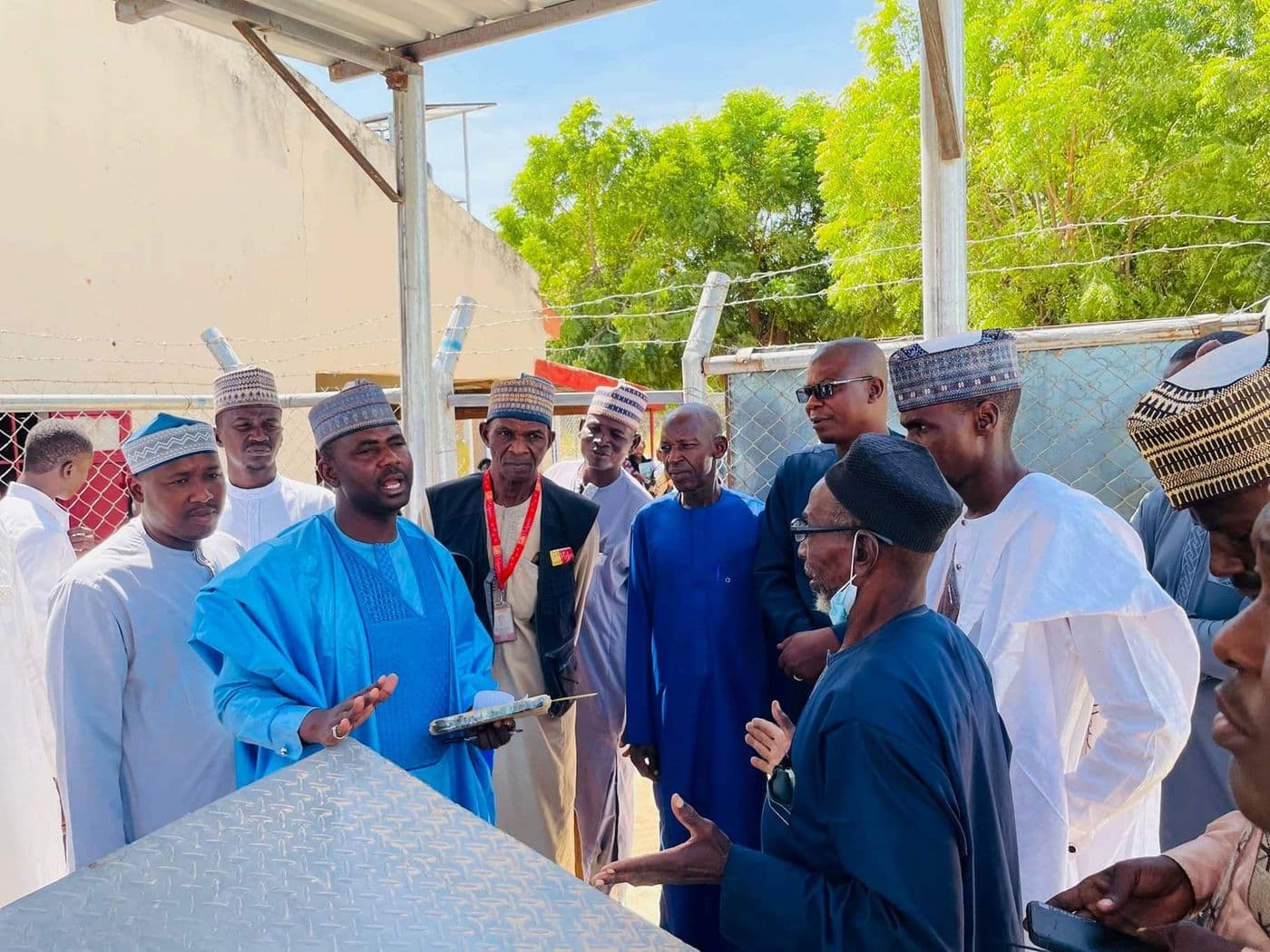
The OHA-funded project (formerly BHA) "Integrated Emergency Response to the Displaced Population in Zamfara, Sokoto and Katsina States, NW Nigeria" ran from 22 May 2023 to 30 June 2026 under a consortium led by the International Rescue Committee (IRC) with ALIMA, COOPI, Life Helpers Initiative (LHI) and GISCOR. Across 11 LGAs the consortium delivered health, nutrition, WASH, protection and multipurpose cash assistance to conflict-affected, displaced and host-community populations.
Within the consortium, LHI was the health and nutrition lead for Sokoto State, delivering services in Goronyo, Rabah, Isa and Sabon Birni LGAs for the full implementation period.
Download the full magazine (PDF) · Read it online · See the fact sheet
The numbers that define this response
| Result (May 2023 – June 2026) | Achieved | |---|---| | Outpatient consultations | 109,225 (86.5% new cases) | | Non-communicable disease consultations | 38,250 | | Pregnant women with 2+ antenatal visits | 9,550 | | Skilled deliveries | 5,635 | | Newborns with postnatal care within 3 days | 6,520 (3,591 girls · 2,929 boys) | | Mental health and psychosocial support consultations | 1,222 | | Referral admissions / emergency referrals | 1,253 / 613 | | Children screened for acute malnutrition | 76,257 | | Children treated for SAM (Lajinge & Makuwana OTPs) | 9,614, of whom 7,698 recovered | | Caregivers trained in Family MUAC | 47,565 | | Children in the Tom Brown programme (MAM) | 500 | | Mother Support Groups | 112, with 1,680 women | | Facilities supported | 10 (7 PHCs + 3 mobile/IDP clinics) |
Consortium-wide, across all partners and sectors, the project reached 1,850,049 people: 1,202,532 internally displaced people and 647,517 host-community members.
Health: primary care as a lifeline
In communities where the nearest referral hospital can be hours away, the quality of primary care is the difference between life and death. Communicable diseases made up 85.3% of the caseload, including 54,671 confirmed malaria cases, 17,492 diarrhoeal disease cases and 10,443 acute respiratory infections.
Referrals ran through four secondary hospitals (Isa, Rabah, Goronyo and Sabon Birni) and two tertiary institutions (the Federal Neuropsychiatric Hospital, Kware, and UDUTH Sokoto), with financial support for approved emergency referrals. Seven PHCs were renovated in Goronyo, Rabah and Isa, and three mobile clinics served the Maitandu, 120 Rahama Estate and 400 Housing Estate IDP camps.
"Word-of-mouth referrals following successful treatment of complex cases such as uterine prolapse and septic wounds encouraged more community members to seek timely medical care."
IRC/LHI Final Report, Lessons Learned
Nutrition: fighting malnutrition at the root
LHI's nutrition programme grew from three sites in Goronyo and Rabah to ten sites across all four LGAs. Caregivers were trained to measure their own children's mid-upper arm circumference (Family MUAC), putting early detection in the hands of families. With no partner or government programme managing moderate acute malnutrition at the start, LHI piloted the Tom Brown programme: 500 children enrolled, and their MUAC improved by 0.3–0.6 cm on average.
63.4% of infants aged 0–5 months at supported facilities were exclusively breastfed, and 33,790 pregnant women received individual counselling on maternal, infant and young child nutrition.
Operating under pressure
The team worked through insecurity and repeated displacement, long distances to facilities, periodic stock-outs and two facilities without a reliable water supply. Mobile clinics, ambulance services, a pharmaceutical warehouse upgrade with IRC, and water trucking kept services running.
Built to outlast the project
Health workers were trained in IMCI, IMAM, BEmONC and CEmONC; government took formal ownership of supported facilities, including the mobile clinic, with staff posted before handover; and monthly nutrition coordination meetings embedded LHI's data and learning in the State's own coordination system.
Stories from the field
Funded by the Office of Humanitarian Assistance (OHA), United States Government, through the International Rescue Committee. Source: IRC Nigeria BHA/OHA Final Report (720BHA23GR00216).
For feedback, suggestions, appreciation or complaints, WhatsApp or SMS 0201 330 9033 or email feedback@lhinigeria.org.
Comments
No comments yet. Be the first to share your thoughts.