— Accountability
Our Brochure.
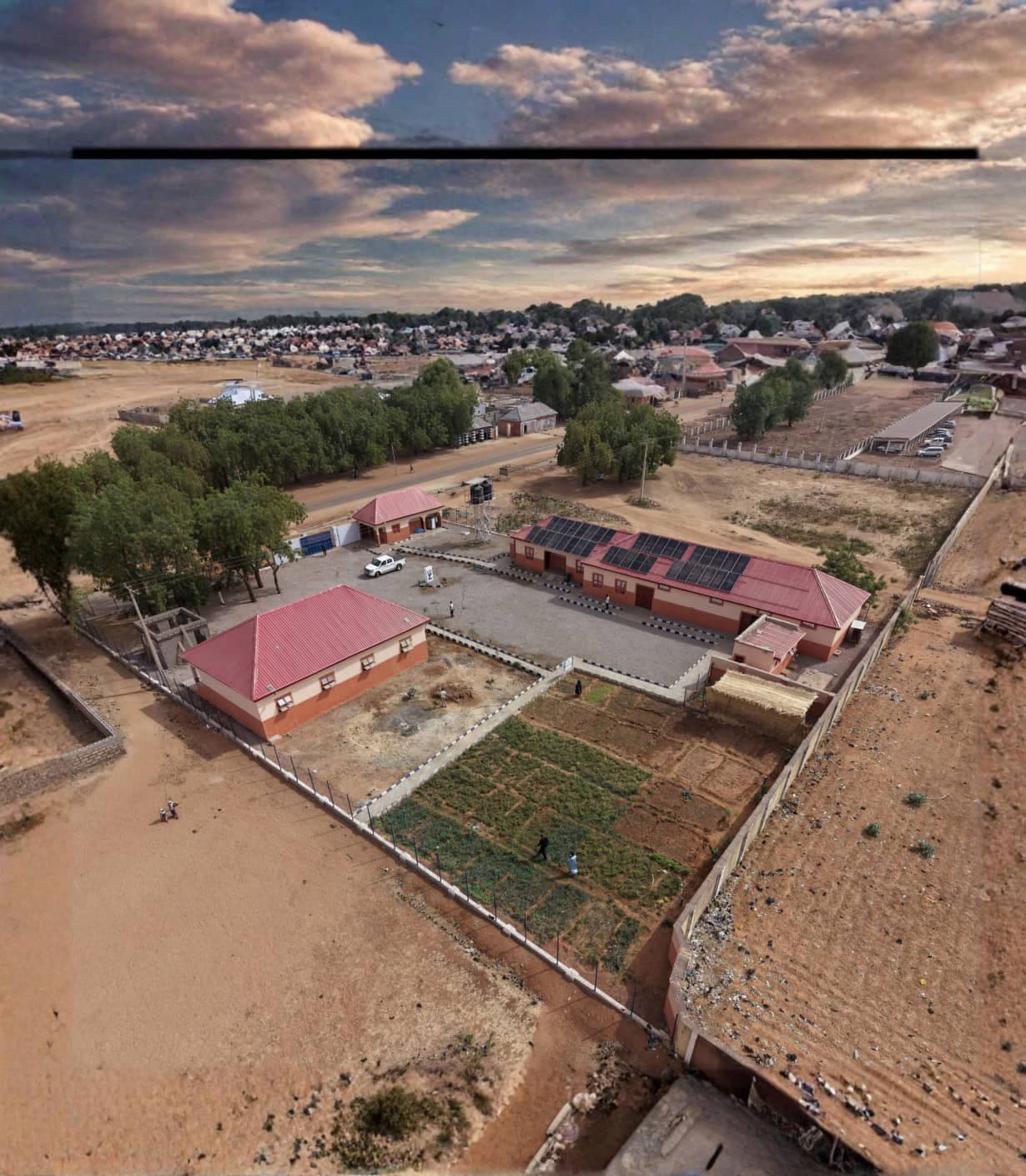
Noma Tushen Arziki Farmer Service Center: a resilience hub for smallholder farmers.
A solar-powered, community-run centre in Sokoto State under the FCDO/WFP Resilience Building and Smallholder Farmers Support Project, implemented by LHI.
— View the brochure
Resilience Hub · Farmer Service Center 2025
— Infographics
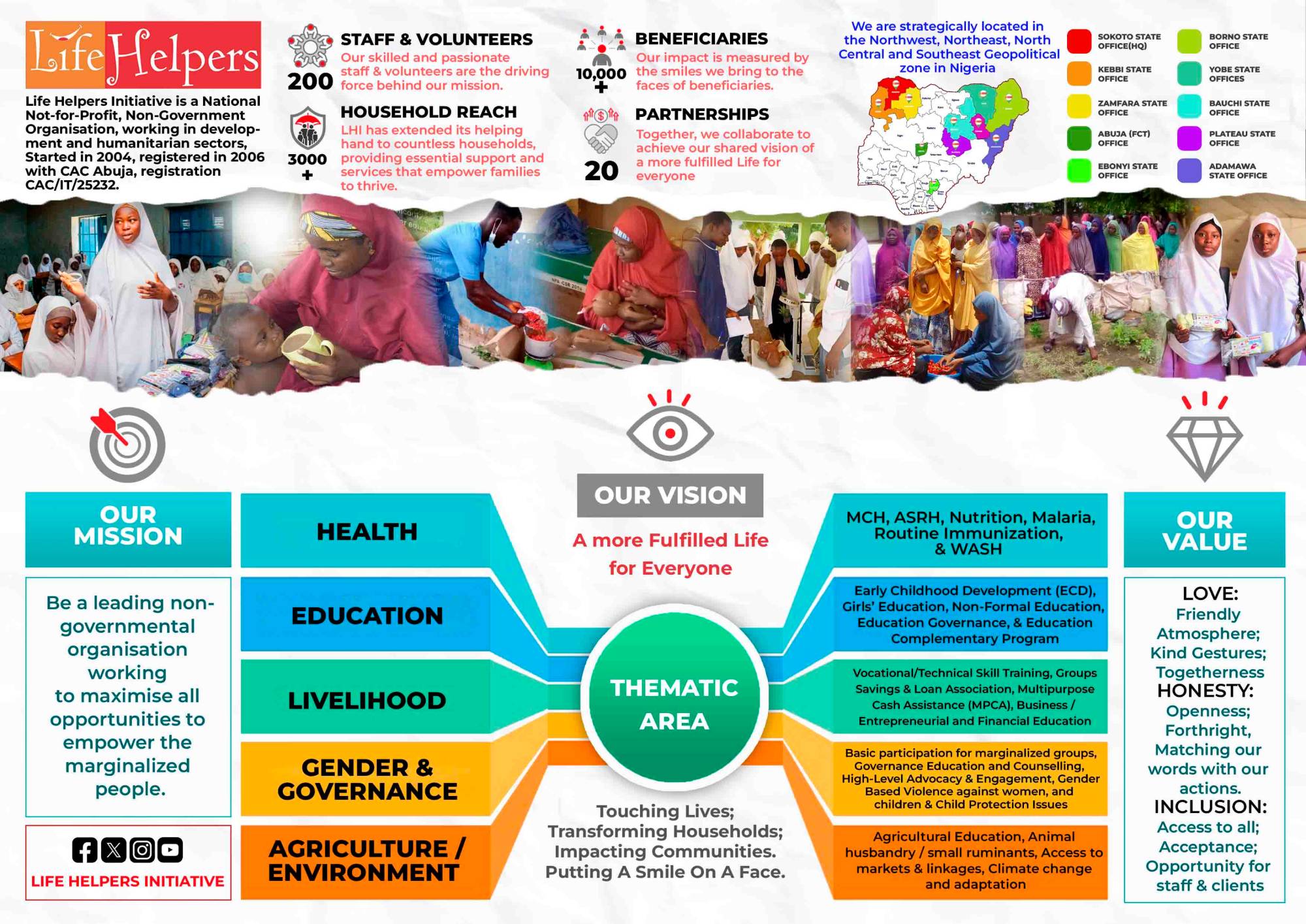
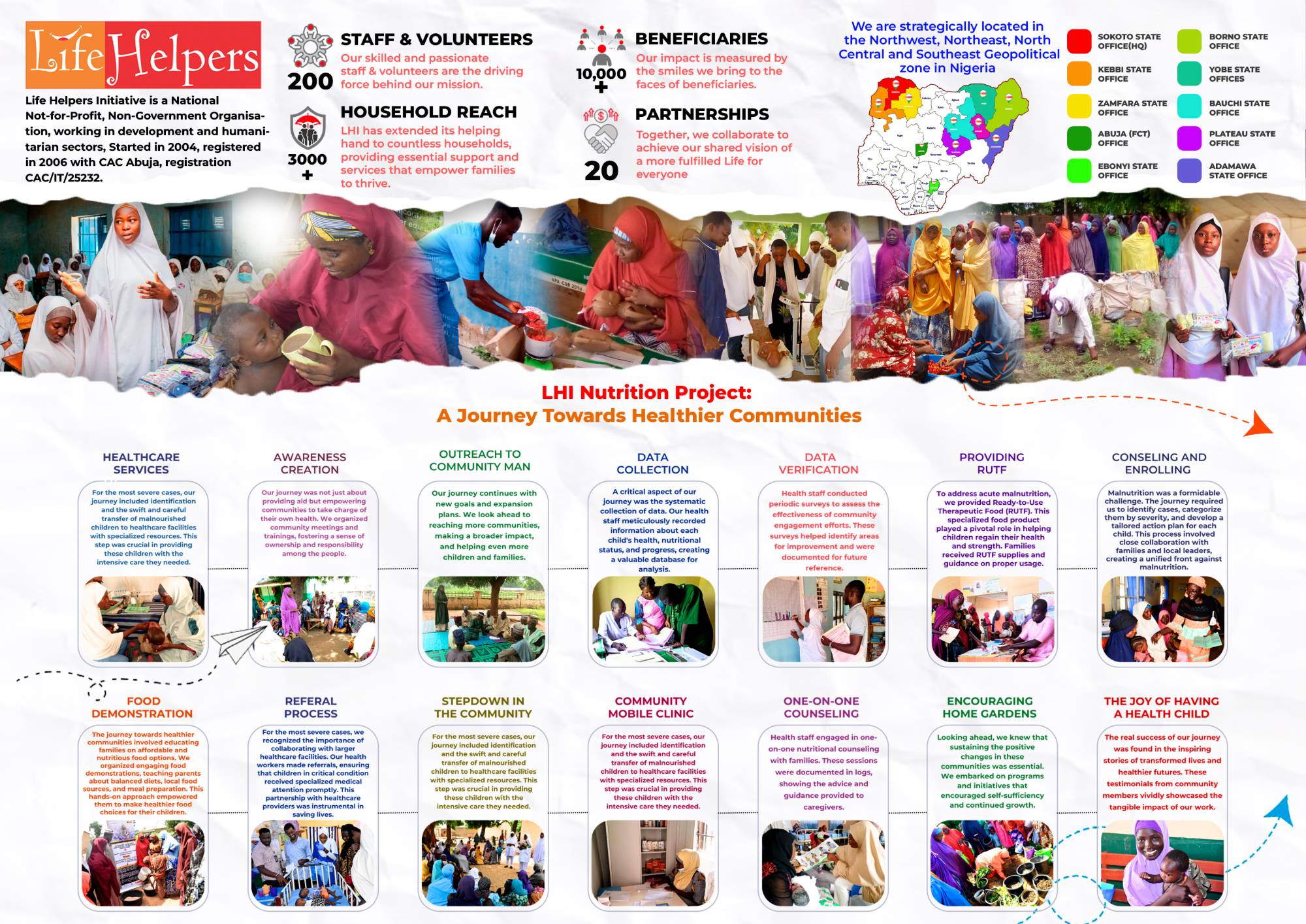
LHI at a glance.
Who we are, where we work, what we do, and how our nutrition project works step by step.
— In brief
What the resilience hub does
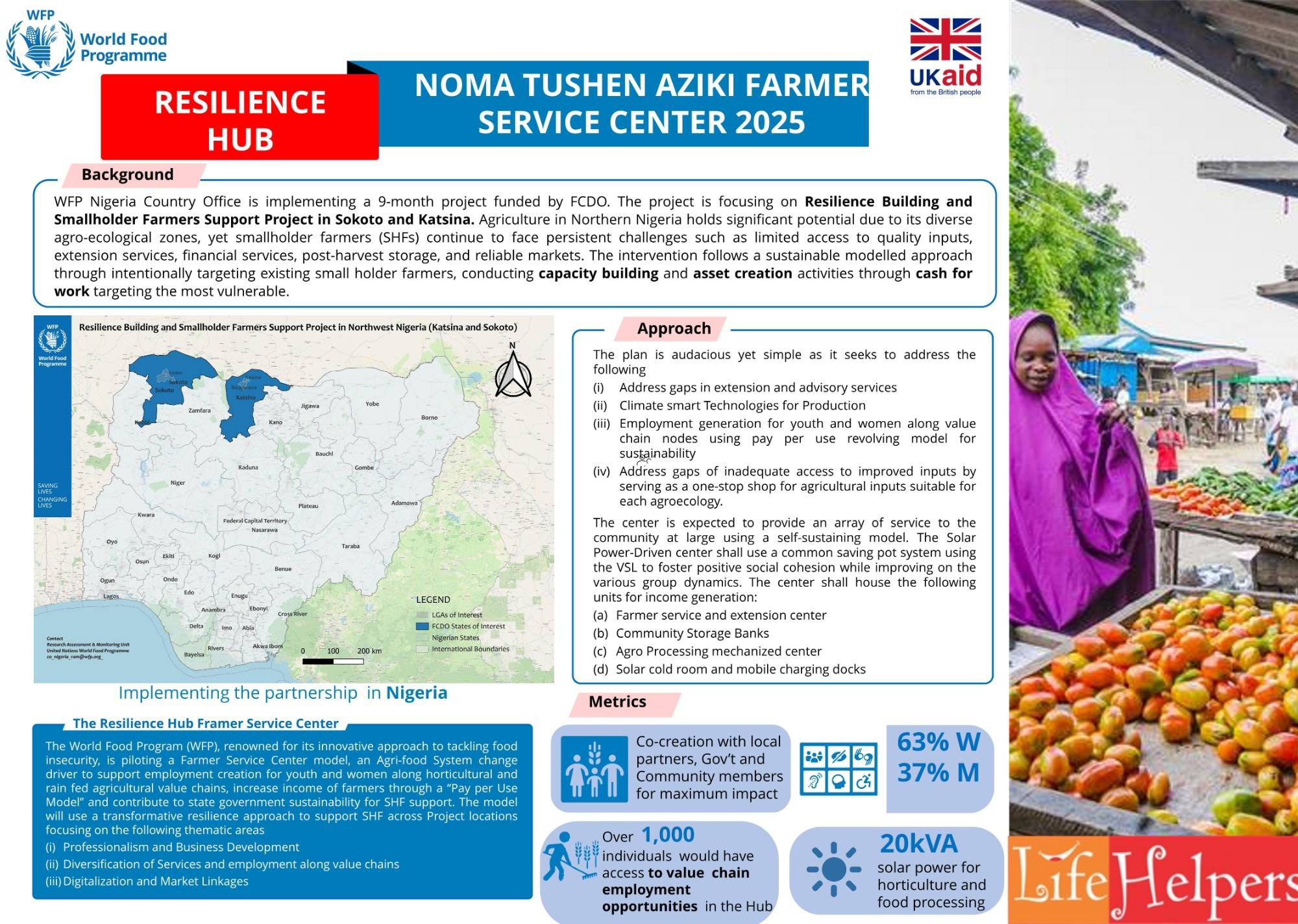
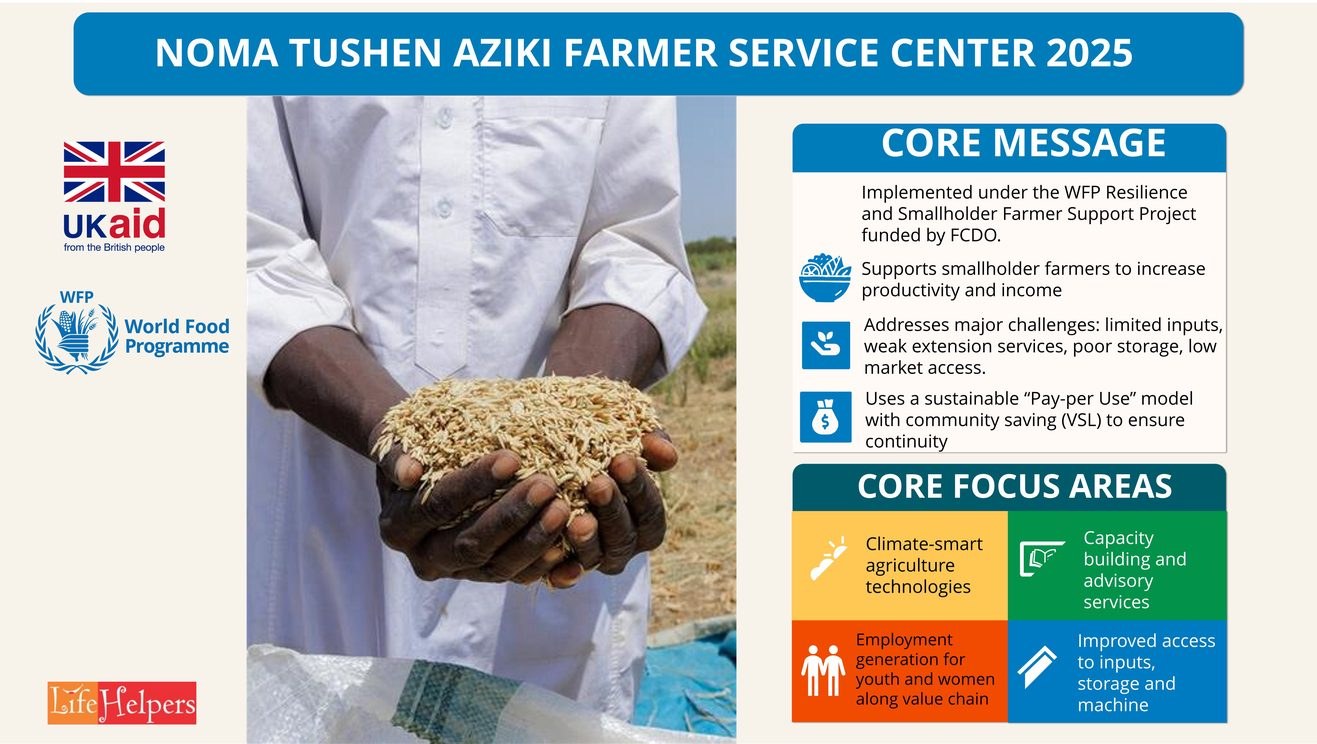
The World Food Programme's Nigeria Country Office is implementing a nine-month project funded by the UK's FCDO: the Resilience Building and Smallholder Farmers Support Project in Sokoto and Katsina. Smallholder farmers in Northern Nigeria face limited access to quality inputs, extension and financial services, post-harvest storage and reliable markets. The project works with existing smallholder farmers through capacity building, and creates assets through cash for work for the most vulnerable.
The Farmer Service Center is a model for changing the agri-food system: creating jobs for youth and women along horticulture and rain-fed value chains, raising farmers' incomes through a pay-per-use model, and supporting state government sustainability. The solar-powered centre uses a common savings pot through village savings groups to build social cohesion, and focuses on professionalism and business development, diversified services and jobs along value chains, and digitalisation and market linkages.
Approach
- Address gaps in extension and advisory services.
- Climate-smart technologies for production.
- Employment for youth and women along value-chain nodes, using a pay-per-use revolving model for sustainability.
- Better access to improved inputs, as a one-stop shop for agricultural inputs suited to each agro-ecology.
Income-generating units
- Farmer service and extension centre
- Community storage banks
- Mechanised agro-processing centre
- Solar cold room and mobile charging docks
Metrics
- Women / men
- 63% / 37%
- People expected to access value-chain jobs in the hub
- 1,000+
- Solar power for horticulture and food processing
- 20 kVA
Designed with local partners, government and community members for maximum impact.